

What materials and connection methods are generally used for fire protection pipes?
firefighting pipeline
Firefighting pipes are specialized pipe materials used for transporting water or other media for fire suppression.
They have characteristics such as pressure resistance, corrosion resistance, and high-temperature resistance, and are usually marked with red paint.
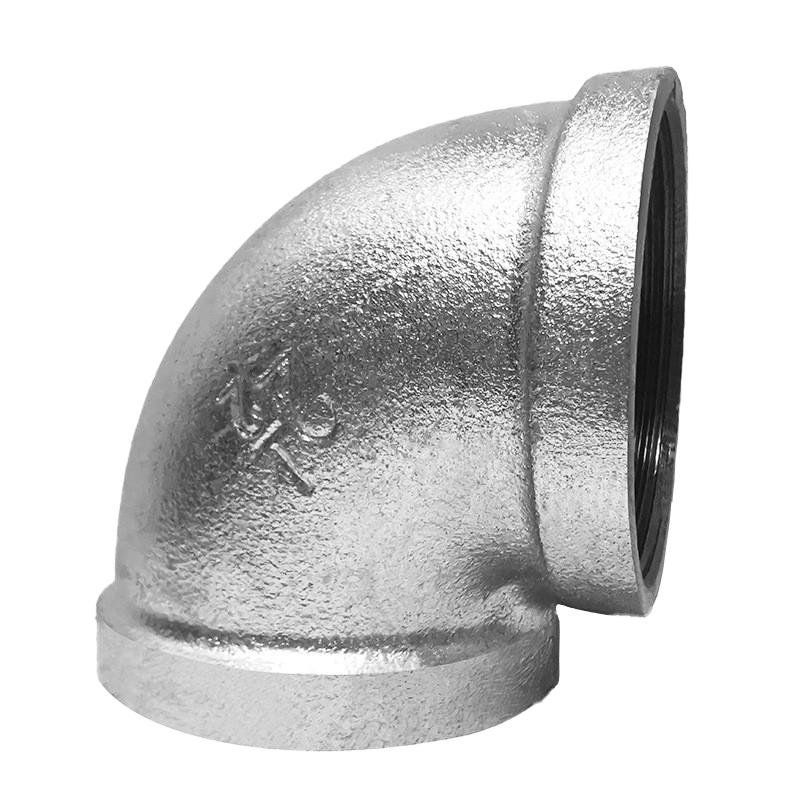
Firefighting pipe fittings material
The main materials include ductile iron pipes, galvanized steel pipes, stainless steel pipes, alloy pipes, composite pipes
and plastic pipes. Among them, galvanized steel pipes are suitable for fire hydrant systems
ductile iron pipes are mostly used in large-diameter high-pressure scenarios
and composite pipes combine the advantages of both metal and non-metal materials.
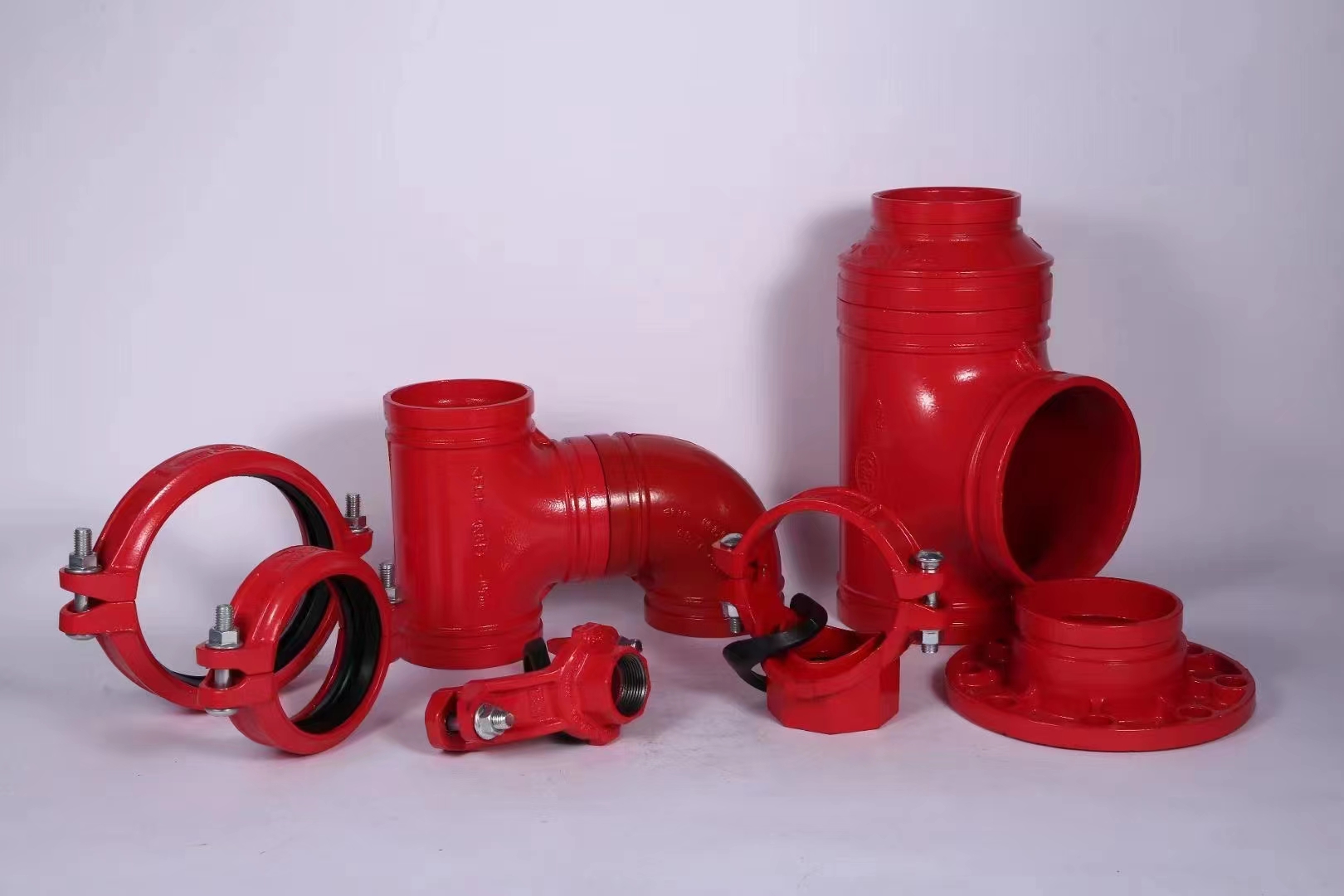
Standards for Pipeline Installation
When the diameter of the galvanized steel pipe is ≤100mm, use threaded or clamp connections.
Use seamless steel pipes when >100mm and welding is prohibited,A sleeve must be installed for wall penetration
Fire protection systems should be selected according to pressure levels. In low-pressure scenarios
ductile iron pipes or PE pipes can be used, while seamless steel pipes are chosen for high-pressure scenarios.
Implement standards such as 'Grooved Pipe Fittings'
and 'Construction and Acceptance Code for On-Site Equipment and Industrial Pipeline Welding Projects'
The coating material must meet the epoxy resin coating requirements of GB 5135.
Concept
Because fire-fighting pipelines are often in a static state, the requirements for the pipes are quite strict.
The pipes need to be pressure-resistant, corrosion-resistant, and have good high-temperature performance.
Installation Process Flow
Installation Preparation → Main Pipe Installation → Alarm Valve Installation → Riser Installation → Sprinkler Branch and Secondary Pipe
Fire Hydrant and Branch Pipe Installation → Water Flow Indicator, Fire Pump, Elevated Water Tank
Pump Connection Installation → Pipeline Pressure Test → Pipeline Flushing → Sprinkler Head Branch Installation (System Comprehensive Pressure Test and Flushing) → Throttle Device Installation → Alarm Valve Accessories
Fire Hydrant Accessories, Sprinkler Head Installation → System Water Flow Test
Standard
National Standard for Automatic Sprinkler Systems Part 20: Coated Steel Pipes
Technical Code for Plastic-Coated Composite Pipe Plumbing Engineering in Buildings
Code for Acceptance of Construction Quality of Building Water Supply, Drainage and Heating Engineering