

What is 'You Ren'?
What is 'You Ren'?
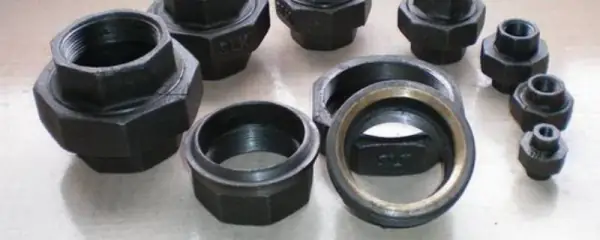
As a type of pipe fitting, the "(union)" is officially named a union joint.
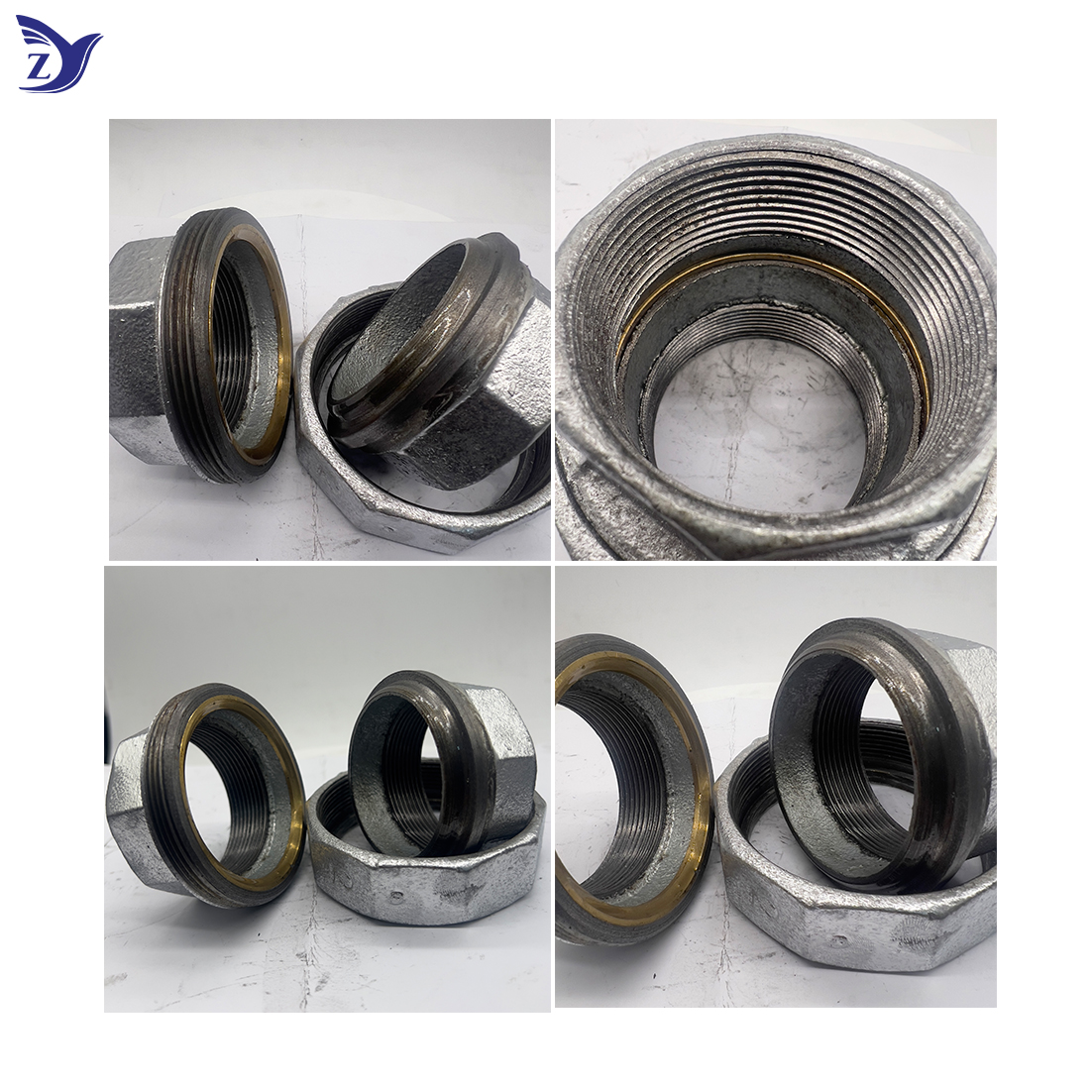
This union joint is meticulously crafted from malleable cast iron and features a unique three-dimensional polygonal appearance.
Its interior is engraved with precise three-dimensional threads, a design that ensures stable and reliable connections.
The main components of a union joint include a fixed adapter and a union nut adapter, which complement each other and work together to fulfill their function.
Uses of oil
Unions (油任) have a broad and diverse range of applications, primarily used for connecting various hardware fittings.
Whether in civil construction, plumbing engineering, automobile manufacturing, shipbuilding, or other fields
unions are highly favored due to the convenience of their installation and disassembly.
They not only simplify the installation process and improve work efficiency but also enable easy
disassembly and replacement when necessary, significantly enhancing the flexibility and convenience of work.
Type of oil-resistant sealing seat structure
The structure types of oil-resistant valve seats are divided into flat seats, conical seats, and copper conical seats.
The core differences lie in the sealing method and applicable scenarios, which directly affect the sealability, pressure resistance, and suitable media of the connection.
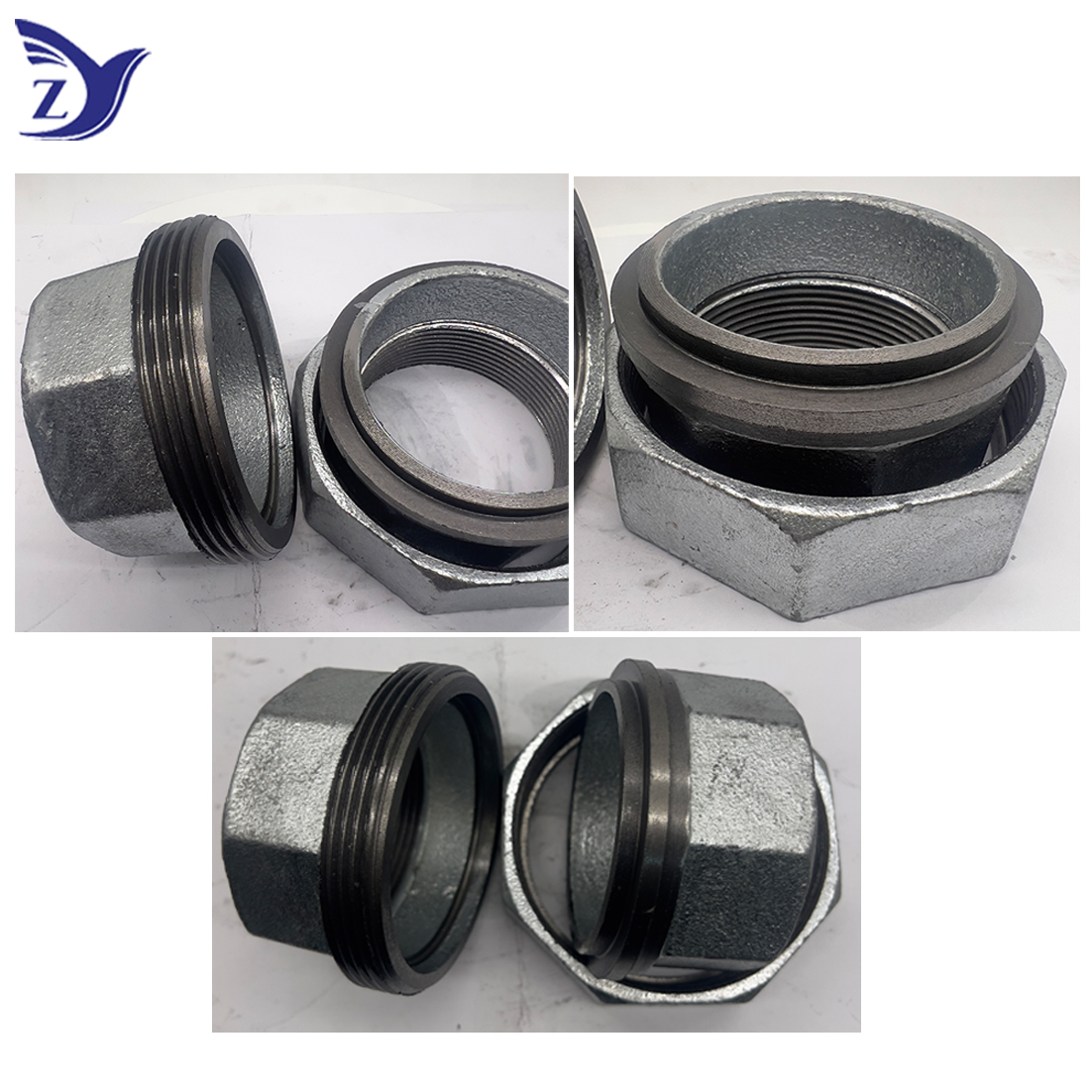
1.Flat-Seat Union
Sealing structure: The sealing surface is flat, relying on rubber or asbestos flat gaskets in the oil to achieve sealing through the pressure applied when tightening the live nut.
The gasket is the core sealing component.
Applicable scenarios: Suitable for medium and low pressure, medium temperature industrial or residential pipelines, such as hot water heating, low-pressure steam
and oil delivery pipelines, commonly found in small factories, hotels, and similar settings.
Characteristics:
Advantages: The sealing structure is simple, the gasket is low-cost and easy to replace, installation does not require high precision, and even beginners can operate it.
Limitations: Pressure resistance is relatively weak (usually ≤1.6MPa), and the gasket easily ages at high temperatures, making it unsuitable for high-pressure
and high-temperature scenarios such as hot water and steam.
2.Tapered-Seat Union
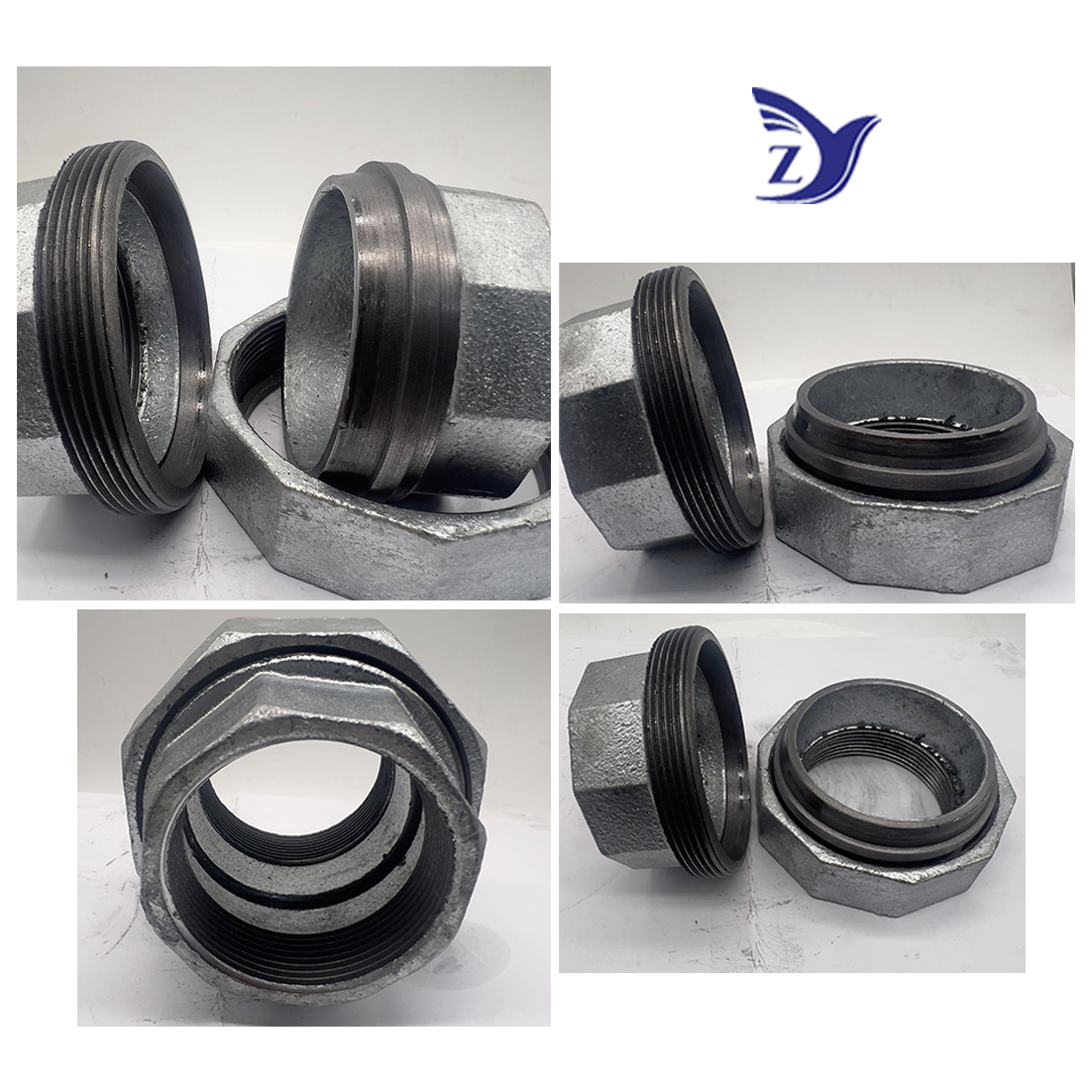
Sealing structure: The sealing surface is conical (usually an inner cone matches an outer cone), requiring no additional gasket, relying on the tight fit between the metal cone surfaces to achieve sealing
which belongs to the 'hard seal' type.
Applicable scenarios: Suitable for medium and low pressure, medium temperature industrial or domestic pipelines, such as hot water heating, low-pressure steam
and oil delivery pipelines, commonly found in small factories, hotels, and similar settings.
Characteristics:
Advantages: Gasket-free design reduces the risk of aging leaks; pressure resistance (≤2.5MPa) and temperature resistance (≤200℃)
are superior to flat-seated oil valves, and the metal sealing surface has a long service life.
Limitations: High precision is required for tapered surface machining. When installing, ensure the tapered surface is undamaged
otherwise sealing failure may occur; after disassembly, the condition of the tapered surface must be checked
and maintenance costs are slightly higher.
3.Copper Tapered-Seat Union
Sealing structure: The core sealing component is a copper conical sealing ring (or an integral copper cone seat), which fits against the metal contact surface through the ductility of copper
combining the stability of a 'hard seal' with the sealing toughness of copper.
Applicable scenarios: For pipelines that require high pressure, high temperature, or corrosion resistance, such as high-pressure steam, hot oil, and gas transport pipelines
commonly found in chemical plants, large heating stations, and gas equipment connections.
Characteristics:
Advantages: Copper material is resistant to corrosion, high temperatures (≤300℃), and has strong pressure resistance (≤4.0MPa).
The sealing surface is not easily deformed, and the sealing performance remains stable over long-term use
making it especially suitable for corrosive or flammable and explosive media.
Limitations: The cost is higher than that of the first two types of oil, and it has strict requirements for installation torque.
Specialized tools are needed to tighten it to prevent deformation of the copper cone seat.
Summary
In summary, the oil joint (union) is an efficient and practical pipe fitting.
Its unique structure and wide range of applications make it an essential tool in many industries.
Whether for professionals or ordinary users, it is very important to understand the usage methods and precautions of the oil joint (union).